|
Early Images - Saturn, Jupter and The Great Orion Nebula (M42)
These are my first attempts at planetary imaging - along with the Great
rion Nebula. All of them were taken in 2007 from my back deck which is
about twenty feet high and jiggles just enough to really goof up any image.
Also, these are all unguided images of only 1 or 3 minutes. An Alt/Az mount
is notoriously difficult to polar align well enough for unguided imaging as
is evident here :)
|
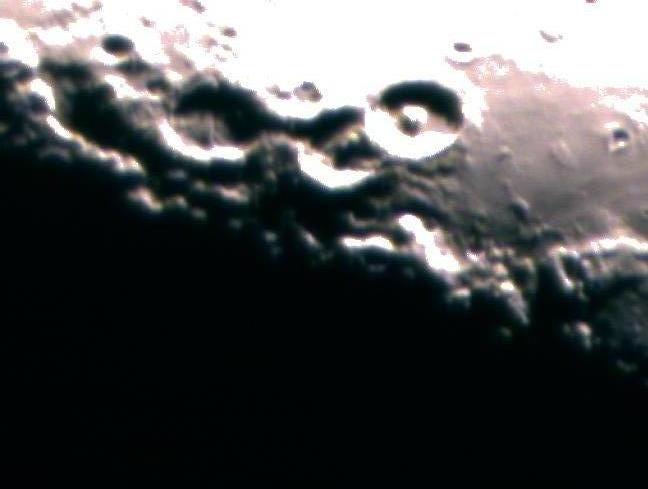
My Very First Images - The Moon
I started imaging way back in 2007 with my Meade 10" f/10 SCT. These are
some of the first images I did with my brand new SBIG ST-4000xcm OSC camera
with the 10" scope on my new Losmandy G-11 equatorial mount
|
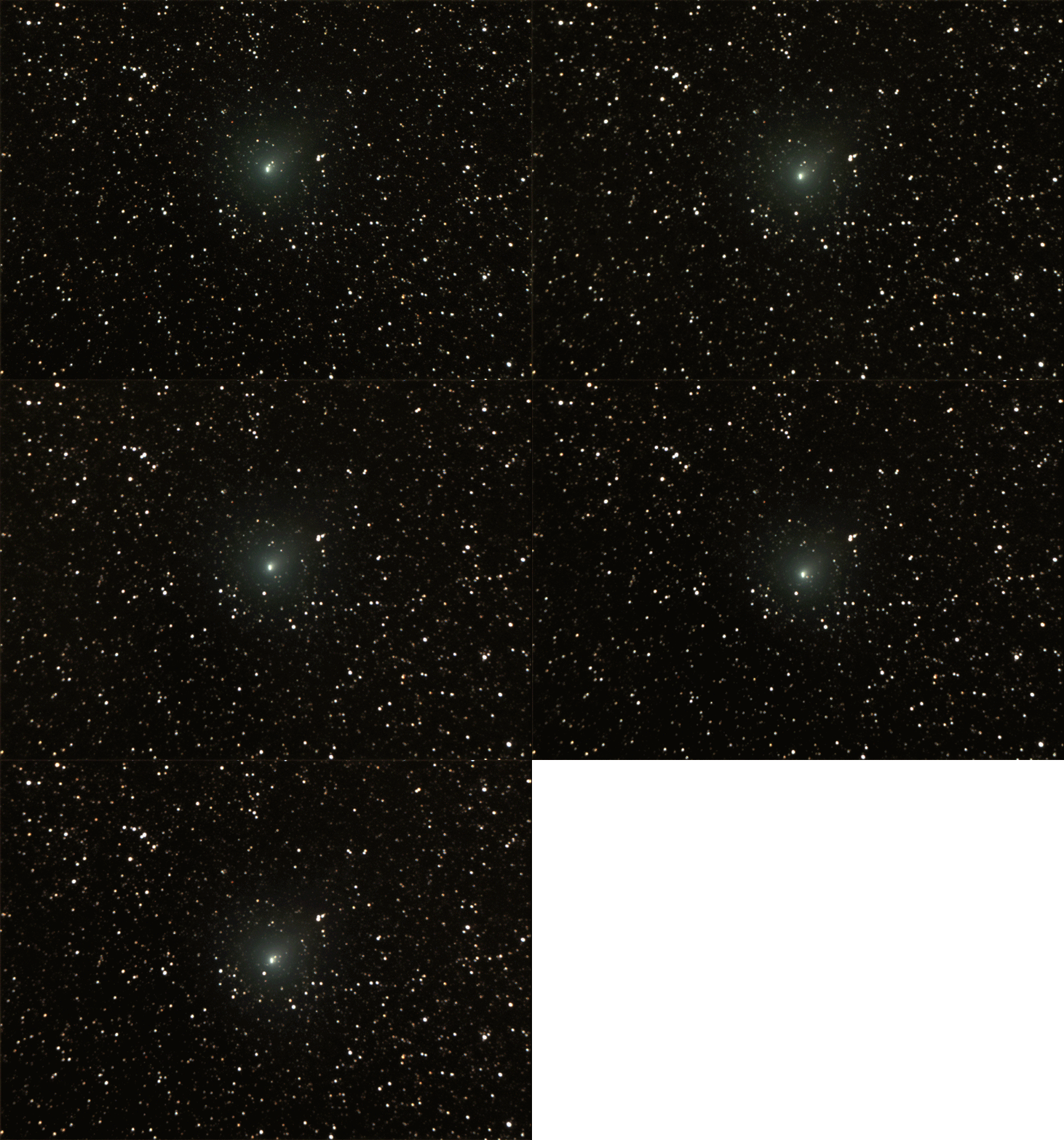
Comet Hartley Animation - 103P/Hartley
This was a fun project as part the astro photography class I was taking at
Cabrillo College. Dr. Rick Nolthenius had taken a series of images of
Comet Hartley. The comet's faint tail is just barely visible at the 2 o'clock
position. I used five of the subs to create this .gif animation
|
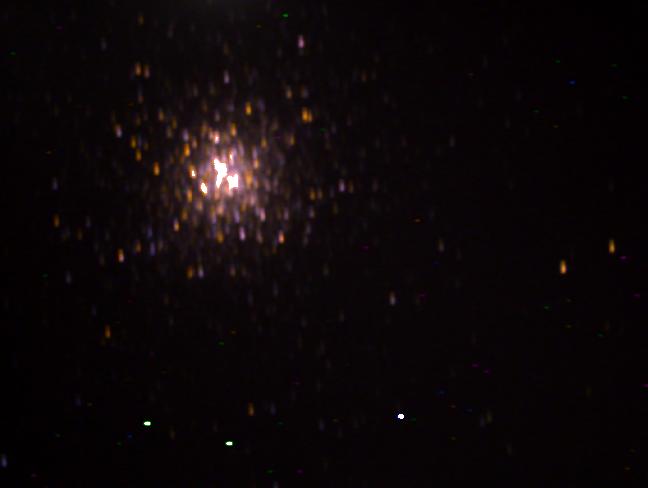
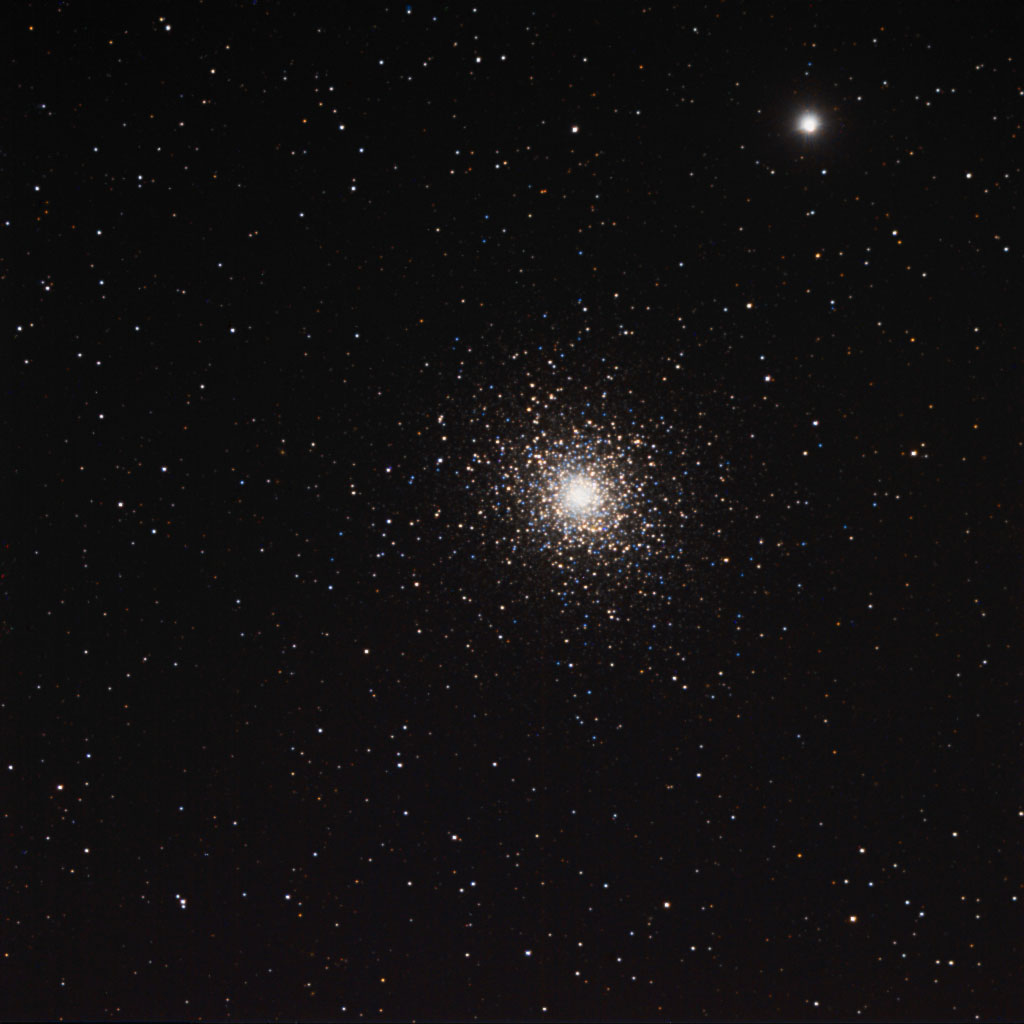
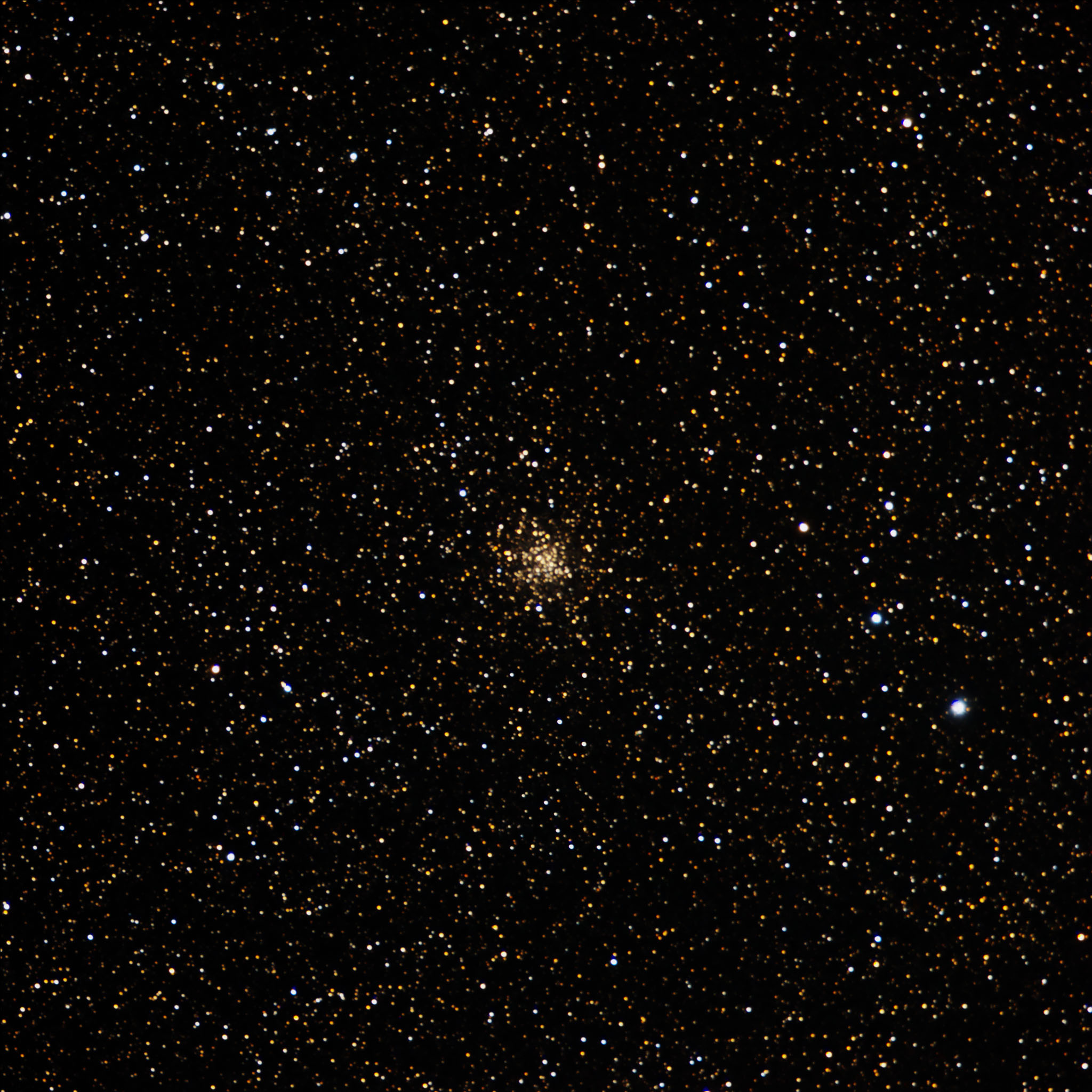
Messier 5
Messier 5 is a globular cluster discovered by Gottfried Kirch in 1702.
It is about 24 million light years away. It has a diameter of 165 light
years, and is 13 billion years old with between 100,000 and 500,000 stars.
It is one of the oldest globular clusters yet discovered
|
- La Selva Beach, CA
- Date: December 2007
- Mount: Losmandy GM-8
- Telescope: Meade LX90 10" f/10 SCT
- Camera: Meade Planetary Camara
- Exposure: 0.25 sec
|
- La Selva Beach, CA
- Date: April 2008
- Mount: Mount: Losmandy GM-8
- Telescope: Meade LX90 10" f/10 SCT
- Camera: SBIG ST-4000xcm OSC
- Exposure: 1 min
|
- Location: Unknown
- Date: Unknown
- Mount: Unknown
- Telescope: Unknown
- Camera: Unknown
- Exposure: Unknown
|
- Location: Bonny Doon Airport, CA
- Date: October 2, 2010
- Mount: Losmandy G11 Go-To
- Telescope: Orion 190mm f/5.3 Mak/Newt
- Camera: SBIG ST-4000xcm OSC @-16c
- Exposure: 1x10 min 10min
|
|
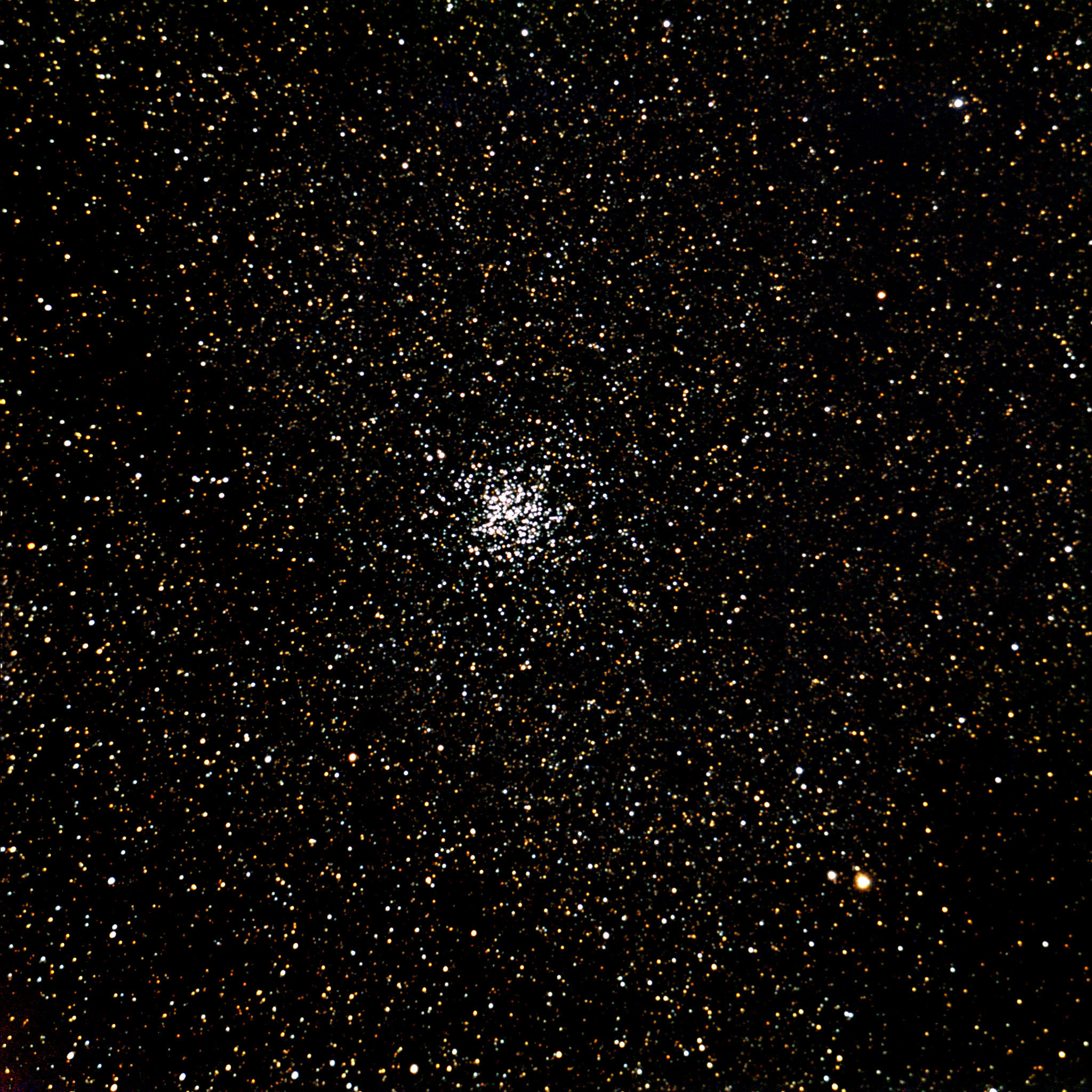
Messier 11 - The Wild Duck Cluster
Messier 11, also known as the Wild Duck Cluster is an open cluster
discovered by Gottfried Kirch in 1681. It is about 220 million years
old and contains around 2900 stars
|
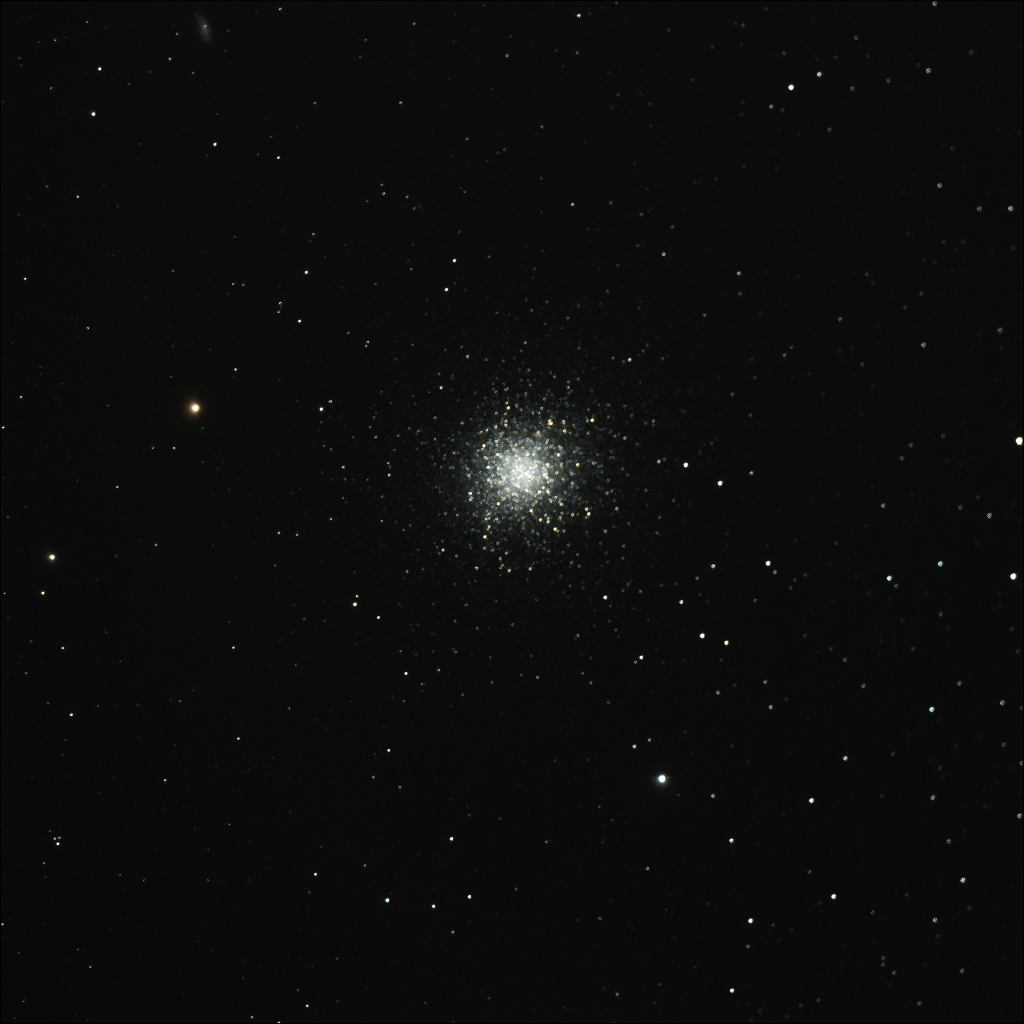
Messier 13 - The Great Hercules Cluster
Messier 13 is a globular cluster with approximately 500,000+ stars.
It is 25,000 light years away and 145 light years in diameter. In 1974
a radio message was sent to M13 from the radio telescope at Arecibo,
Puerto Rico. The message contains information on different aspects of
the human race
|
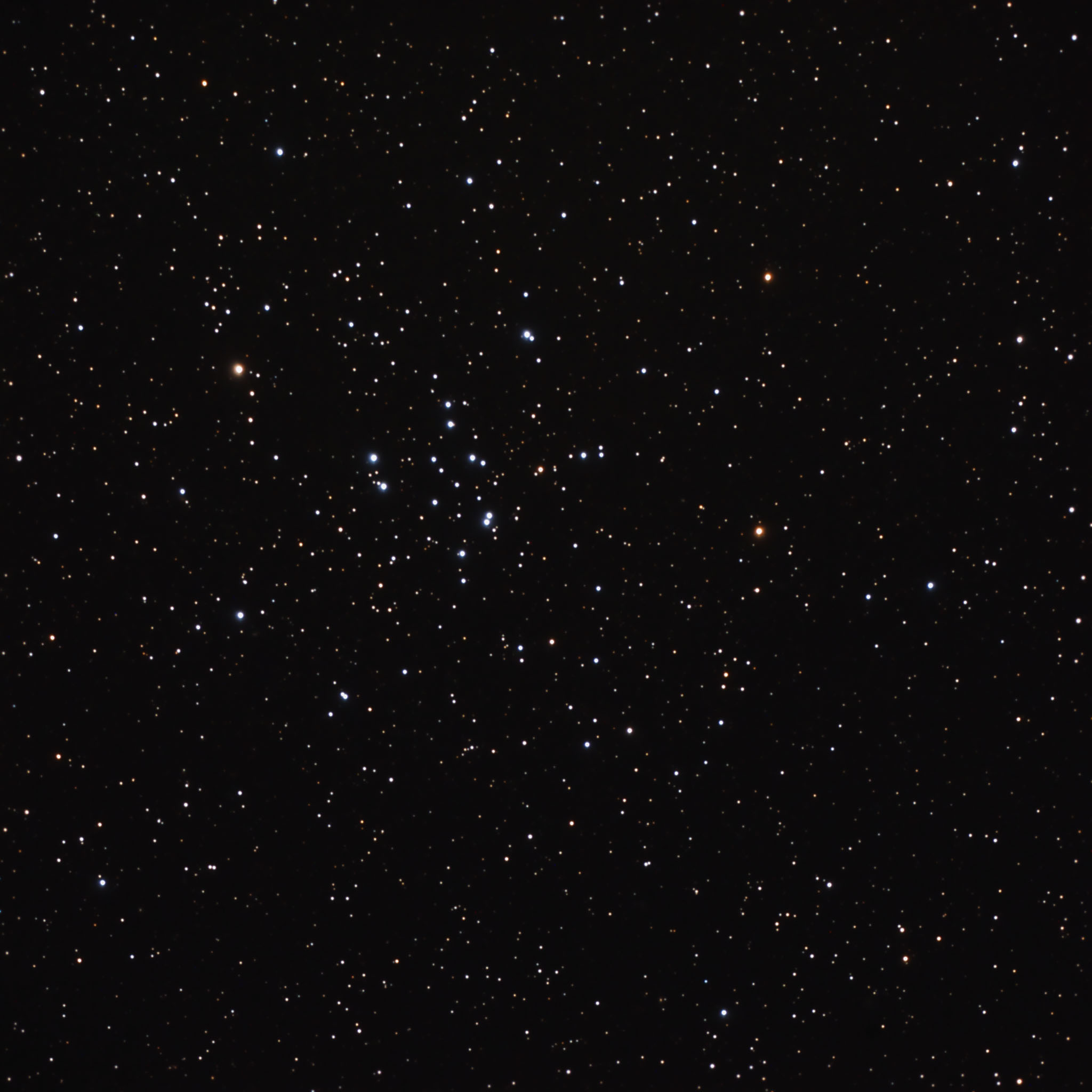
Messier 34
Messier 34 is an open cluster that lies 7200 light years from us. it was
first discovered by Giovanni Batista Hodierna sometime before 1654 and
was later added to Messier's list in 1764. This cluster holds around 400
stars, and at least 19 of these are white dwarfs
|
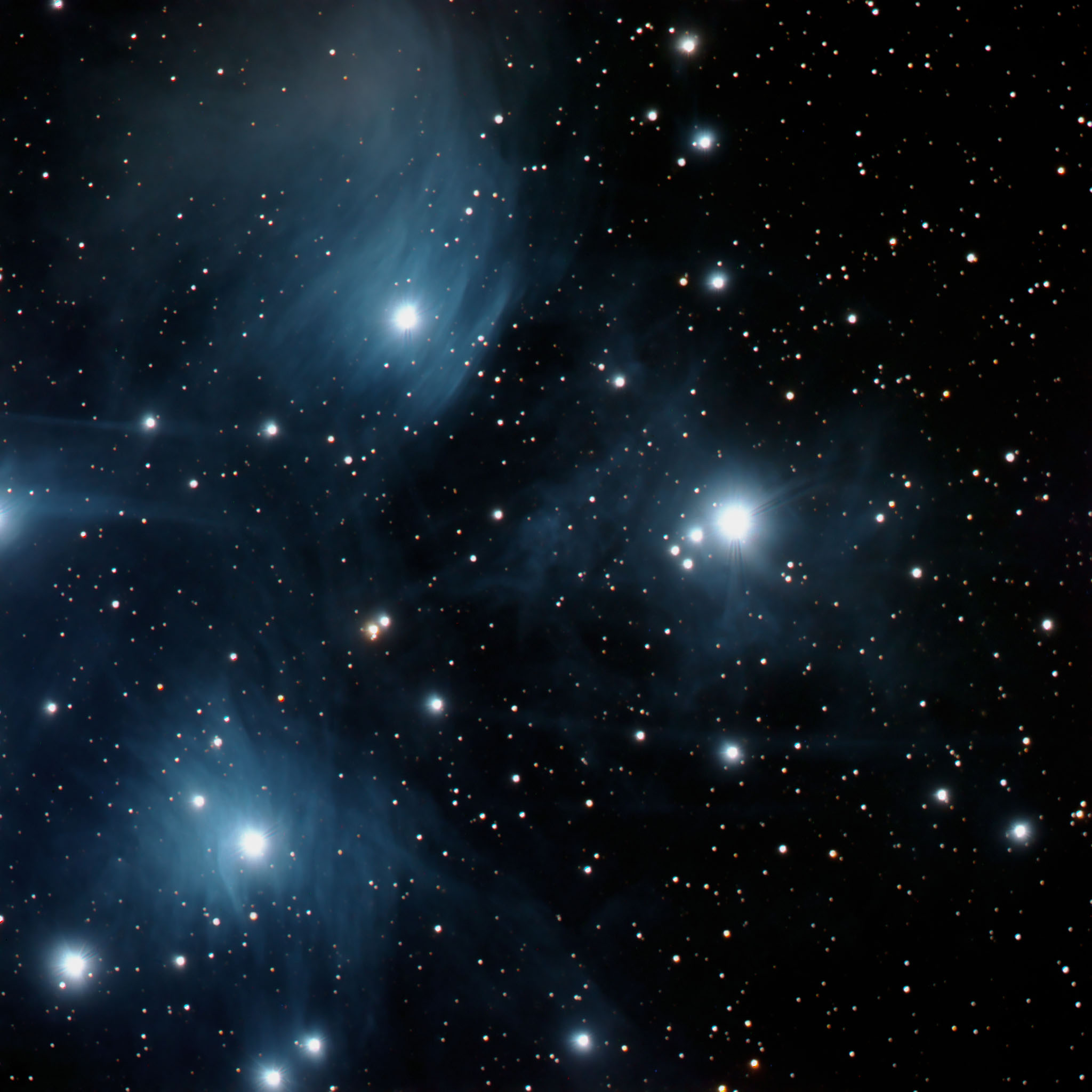
Messier 45 - The Pleiades
Messier 45, sometimes known as The Seven Sisters, is an open cluster.
It's made up of a number very hot blue stars that formed within the last
100 million years. The cluster is moving through an interstellar dust
cloud and illuminating the dust which makes the dust cloud a reflection
nebula
|
- Location: Cabrillo College Observatory, CA
- Date: September 30, 2009
- Mount: Losmandy GM-8
- Telescope: Meade LDX-75 8" f/4
- Camera: SBIG ST-4000xcm OSC @-23c
- Exposure: 4x5 min (20min)
|
- Location: Bonny Doon Airport, CA
- Date: October 2, 2010
- Mount: Losmandy G11 Go-To
- Telescope: Orion 190mm f/5.3 Mak/Newt
- Camera: SBIG ST-4000xcm OSC @-16c
- Exposure: 1x10 min (10min)
|
- Location: Borrego Springs, CA
- Date: October 29, 2011
- Mount: Losmandy G11 Go-To
- Telescope: Orion 190mm f/5.3 Mak/Newt
- Camera: SBIG ST-4000xcm OSC @-16c
- Exposure: 1x10 min (10min)
|
- Location: Bonny Doon Airport, CA
- Date: October 23, 2011
- Mount: Losmandy G11 Go-To
- Telescope: Orion 190mm f/5.3 Mak/Newt
- Camera: SBIG ST-4000xcm OSC @-14c
- Exposure: 6x10 min (1hr)
|
|
Messier 71
Messier 71 is a globular cluster that was discovered by Philippe Loys
de Cheseaux in 1746. It is about 13,000 light years away and is at least
25 light-years across. It is about 9 billion years old
|
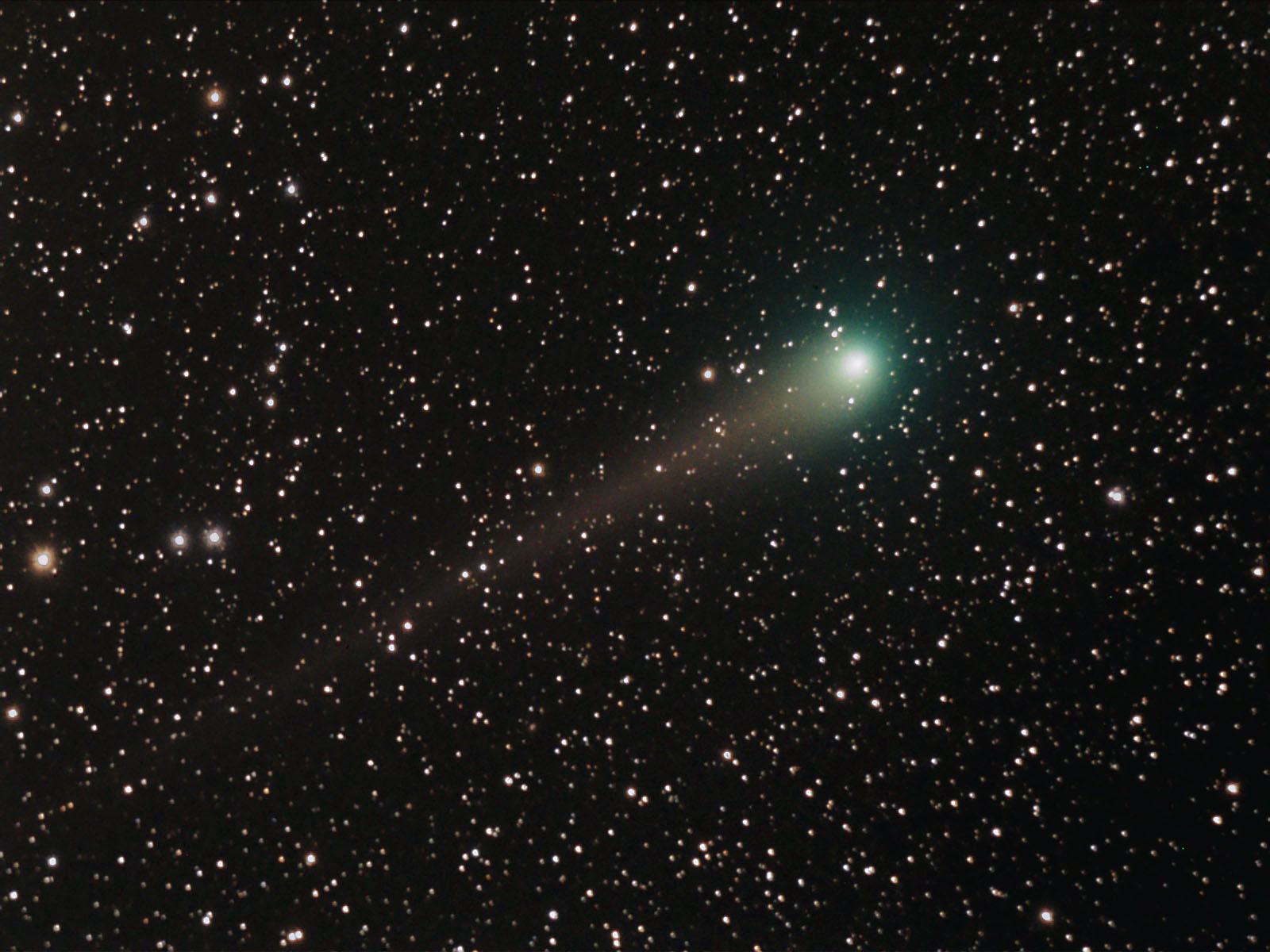
Comet Lulin - C/2007 N3 (Lulin)
Comet Lulin is a long period comet, which means that it has an orbital
period of at least 200 years or more. Long period comets have near-parabolic
orbits and generally will not return to the inner solar system for hundreds
or even thousands of years. It's possible that they may visit the inner
solar system just once. This comet was first imaged at the Lulin Observatory
in Taiwan in 2007, but was only identified by a 19-year old Chinese student
from the photos taken in Taiwan. This image was taken on a field trip with
my astro photography class near Big Sur in March of 2009
|
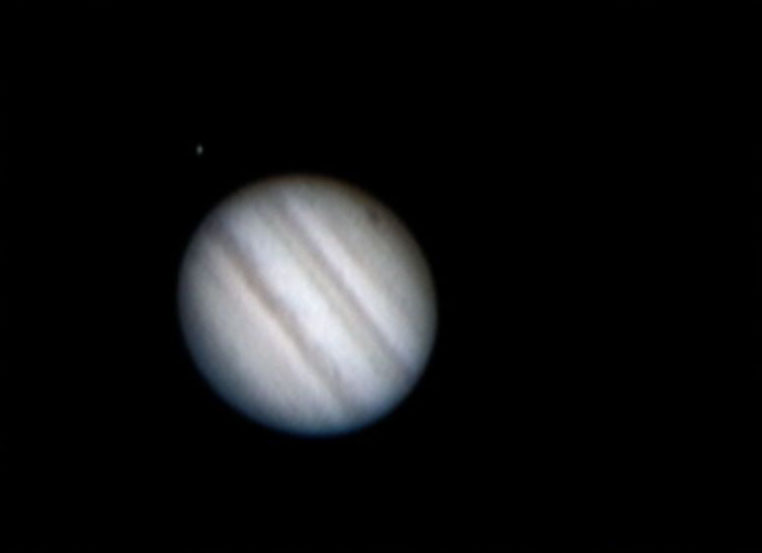
Jupiter Impact
This image is a stacked series of approximately 1300 video frames taken by
Dr. Rick Nolthenius in 2009. The dark spot in the upper right of Jupiter
is the scar left in the atmoshere from a comet impact also in 2009. The
white spot to the upper left is one of Jupiter's several moons. Jupiter is
so large that it would hold over 1300 Earths. I stacked the video frames
with Registax and then processed it in Photoshop. Jupiter's South Pole
is in the upper right
|
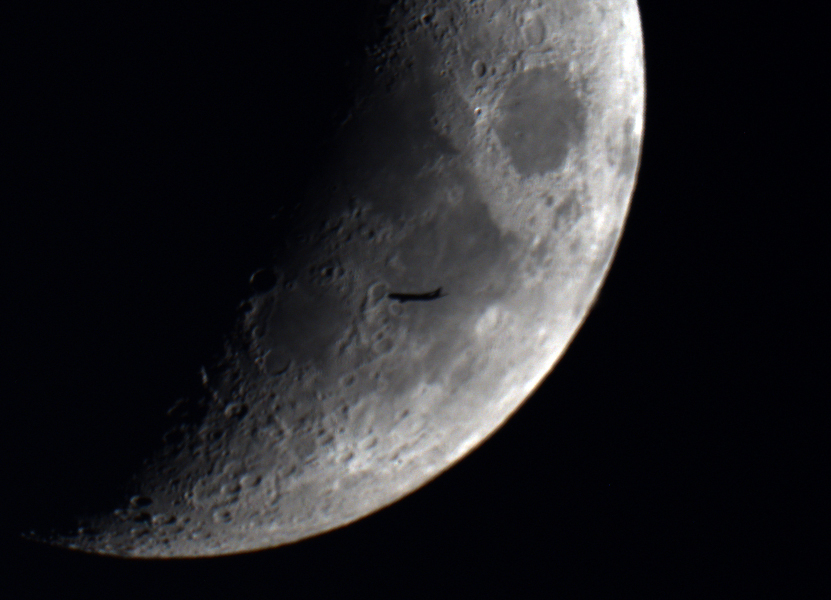
Moon and Boeing 757
This one of my favorite images. It was the first time I tried to image
the Moon at Bonny Doon Airport. I had set up to take a series of 10
images at .015 seconds exposure time. The Moon was low in the West
(looking toward the north/south high altitude airline routes just off
the coast) and about to go behind some trees. When I got home late that
night I checked out the pictures and initially thought that a bug had
landed on the telescope. As I zoomed in a bit I realized that I had
accidentally captured a Boeing 757 crossing the Moon. I never would
have been able to capture this if I had been trying :)
|
- Location: Bonny Doon Airport, CA
- Date: October 22, 2011
- Mount: Losmandy G11 Go-To
- Telescope: Orion 190mm f/5.3 Mak/Newt
- Camera: SBIG ST-4000xcm OSC @-14c
- Exposure: 20x1 min (20min)
|
- Location: Big Sur, CA
- Date: March 2009
- Mount: Losmandy GM-8
- Telescope: Meade LDX-75 8" f/4
- Camera: SBIG ST-2000xcm OSC @-25c
- Exposure: 1x10 min (10min)
|
- Location: Unknown
- Date: 2009
- Mount: Unknown
- Telescope: Unknown
- Camera: Unknown
- Exposure: Unknown
|
- Location: Bonny Doon Airport, CA
- Date: August 14, 2010
- Mount: Losmandy G11 Go-To
- Telescope: Meade 10" f/10 SCT
- Camera: SBIG ST-4000xcm OSC @-18c
- Exposure: 1x.015 sec (.015sec)
|
|
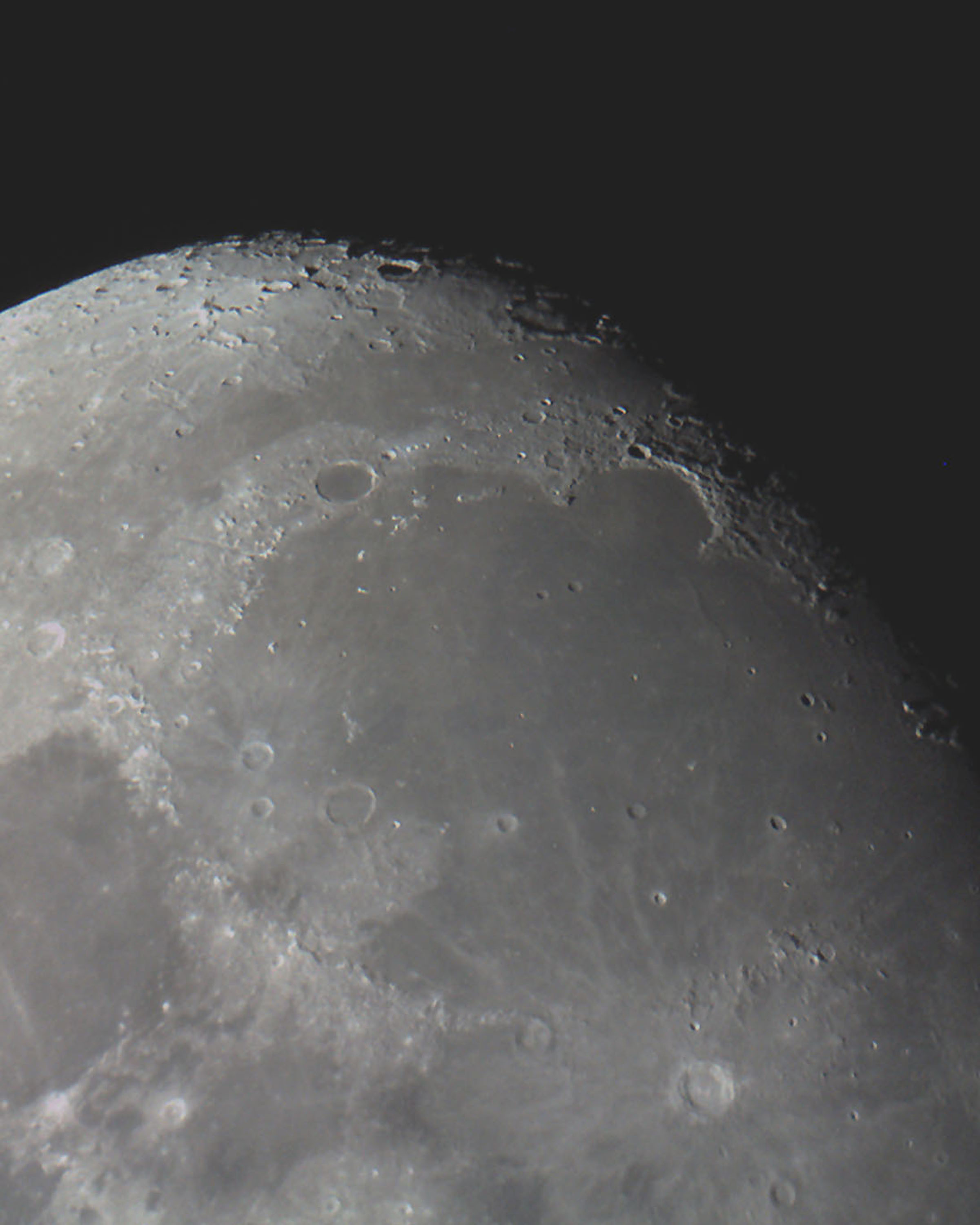
Moon
This image was the first I ever took. it was taken during my first
astro photography class at Cabrillo College with Dr. Rick Nolthenius.
The area in the middle is Mare Imbruim
|
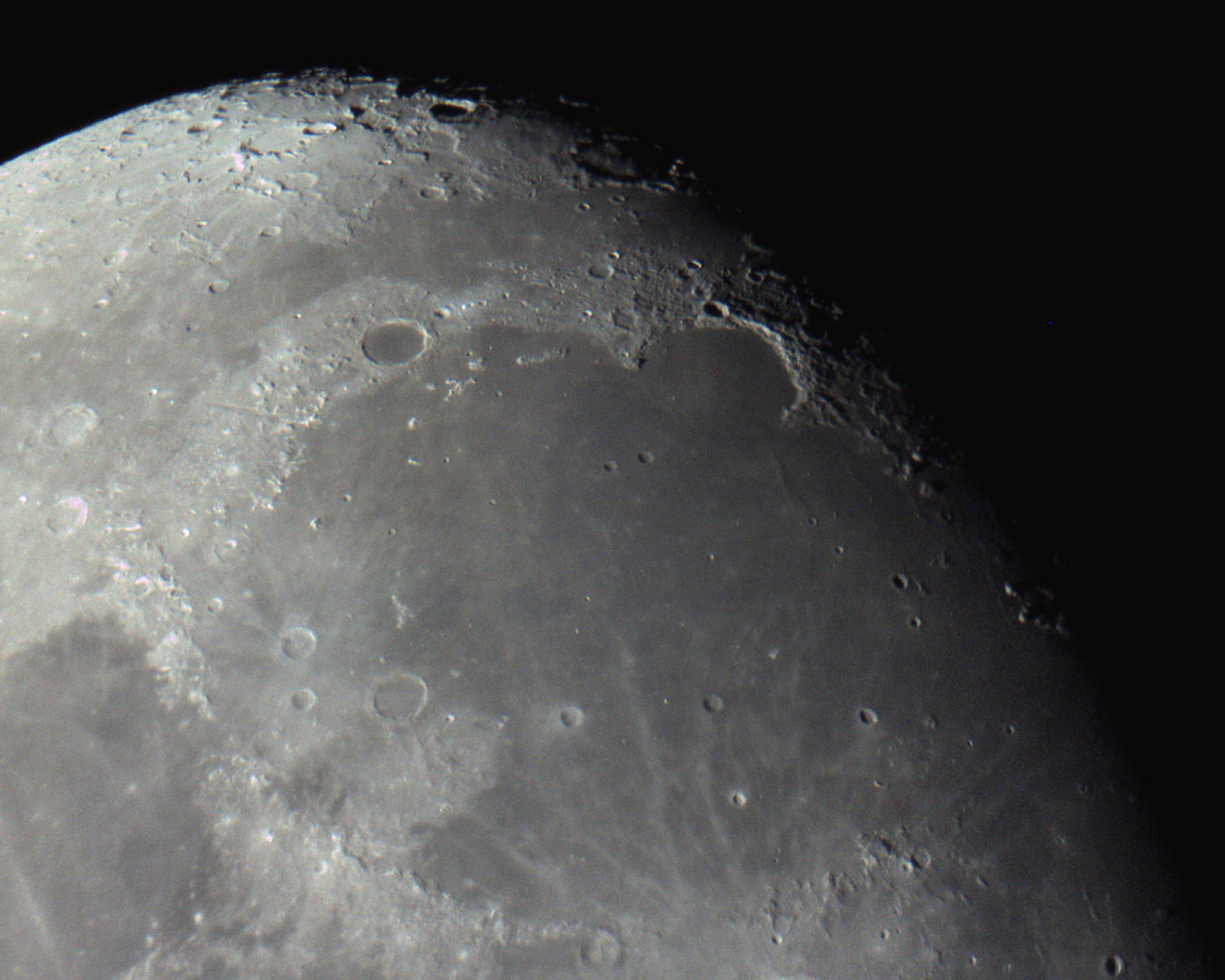
Moon
This is the original image of the image to the left
|
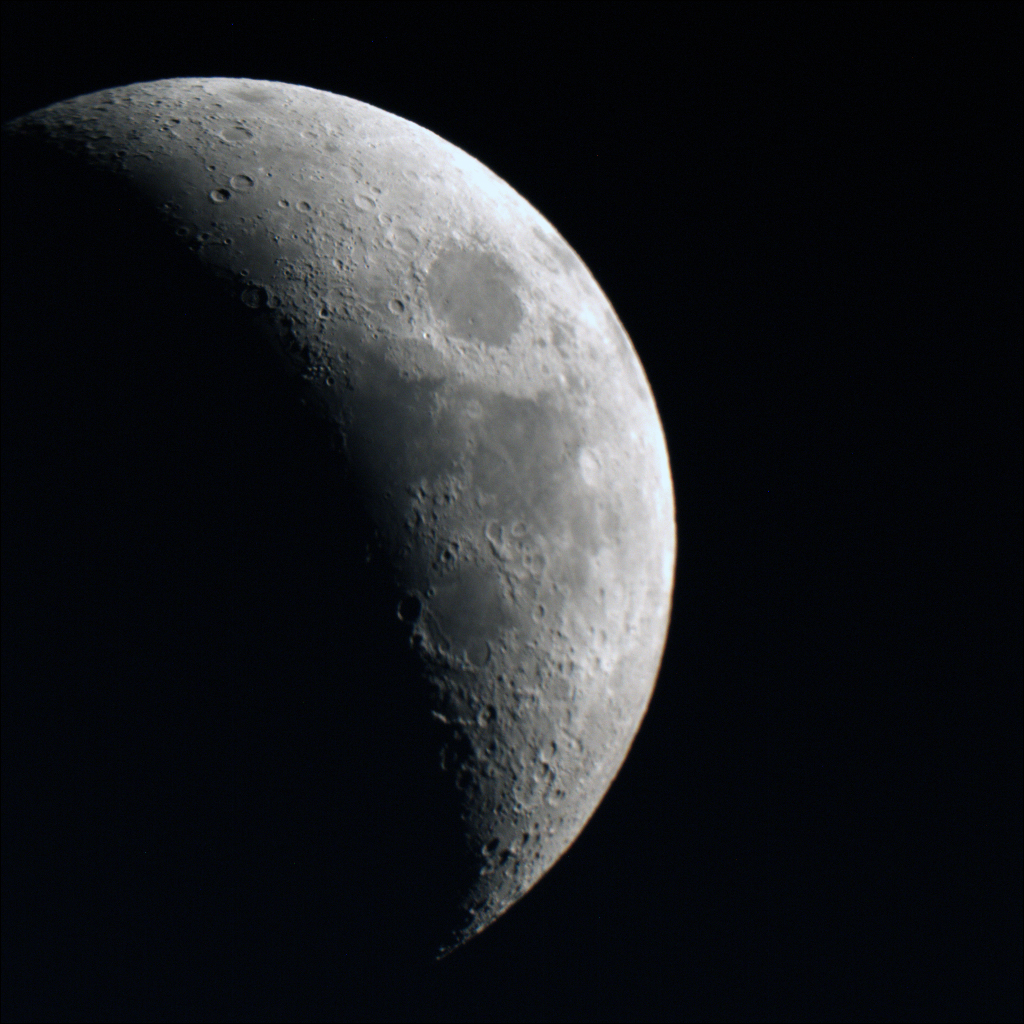
Moon
Taken at Bonny Doon Airport in August of 2010
|
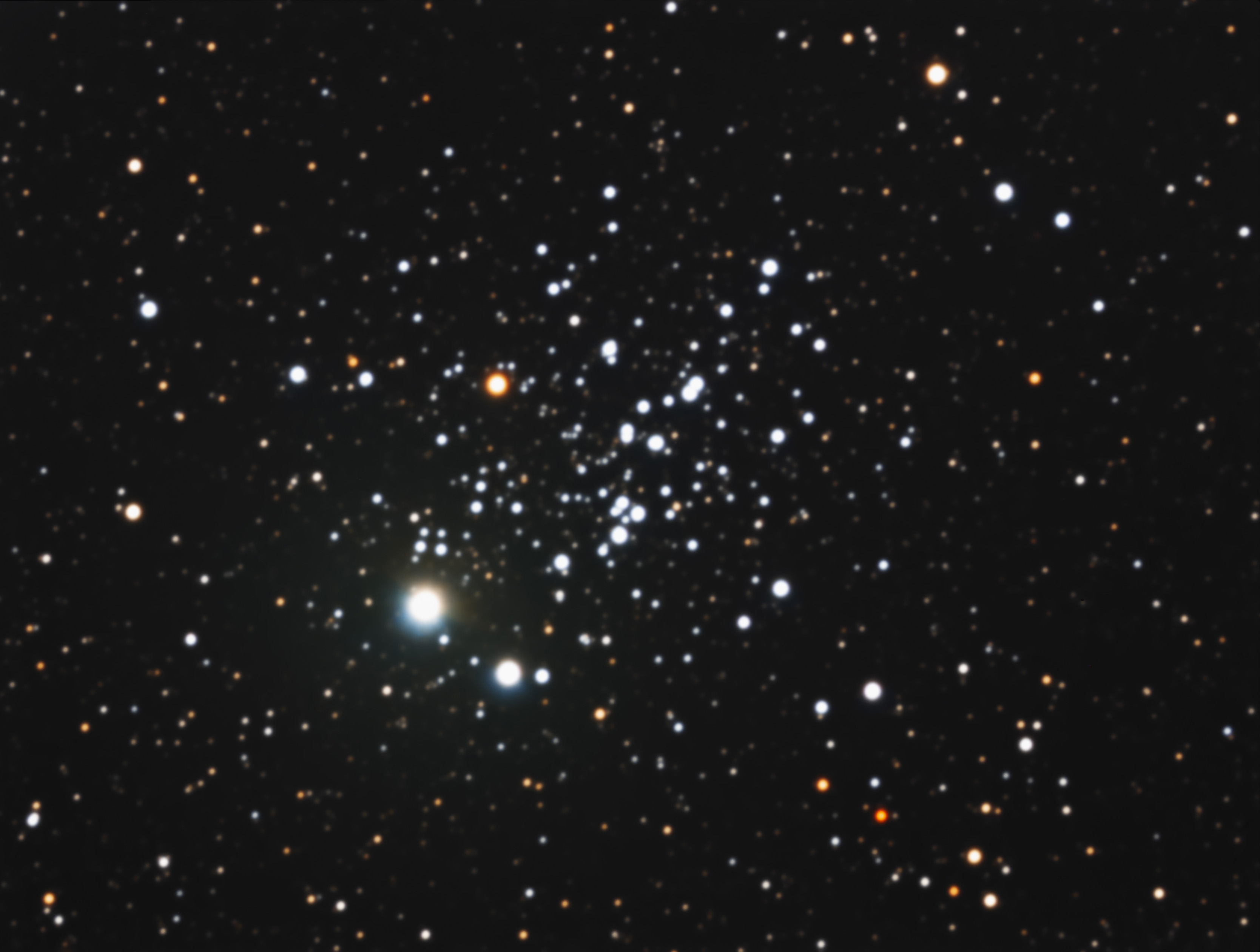
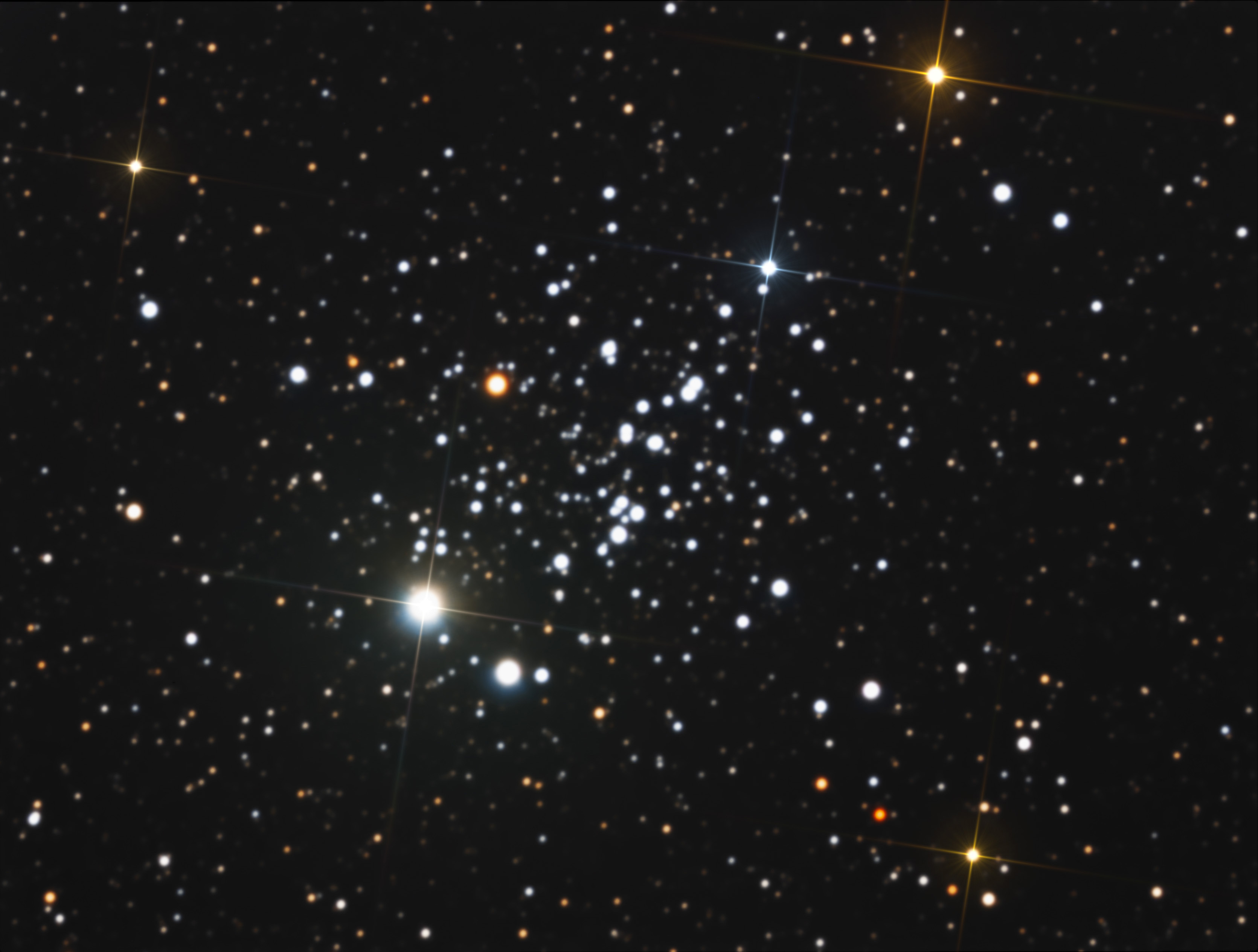
NGC 457 - The Owl Cluster
In the spring of 2016 I purchased a new camera - an SBIG STF-8300m along
with an 8-position filter wheel. Integral to the filter wheel is an
off-axis Guider with a fairly wide FOV. This image is my "First Light"
image with this camera. The object is NGC 457, an open star cluster in
the constellation Cassiopeia. It is about 7900 light years away from us,
and around 21 million years old. It was first observed by William Herschel
in 1787. It is also referred to as the Owl CLuster or the E.T. Cluster.
This is my original. The image to the right is the same image, just spiced
up a bit with some star spikes. On this trip to Borrego springs we had a
tough time with turbulent atmosphere so I suspect that this image could have
been focused just a tad better. Sorry 'bout that:) An auto-focuser is next
on my wish list
|
- Location: Cabrillo College Observatory, CA
- Date: September 10, 2008
- Mount: Alt/Az Mount
- Telescope: Meade 10" f/10 SCT
- Camera: SBIG ST-4000xcm OSC @-20c
- Exposure: 1x.015 sec (.015sec)
|
- Location: Cabrillo College Observatory, CA
- Date: September 10, 2008
- Mount: Alt/Az Mount
- Telescope: Meade 10" f/10 SCT
- Camera: SBIG ST-4000xcm OSC @-20c
- Exposure: 1x.015 sec (.015sec)
|
- Location: Bonny Doon Airport, CA
- Date: August 14, 2010
- Mount: Losmandy G11 Go-To
- Telescope: Meade 10" f/10 SCT
- Camera: SBIG ST-4000xcm OSC @-18c
- Exposure: 1x.015 sec (.015sec)
|
- Location: Borrego Springs, CA
- Date: October 27, 2016
- Mount: AP900 GTO
- Telescope: Celestron 9.25" f/10 Cassegrain
- Camera: SBIG STF-8300m @-12c
- Exposure: 04x05 min (20min)
|
|
NGC 457 - The Owl Cluster
This is the same image as the one to the left - just spiced up a bit
with some star spikes. In looking closely through this image and
comparing it to the same region in The SkyX planetarium program, I
found that a good percentage of the stars in this image are double star
systems. Using a filter wheel and processing a true RGB image is a new
way of imaging for me, so I expect to be fighting the 'ol learning curve
again. Although this would be a great opportunity to re-image a lot DSOs
|
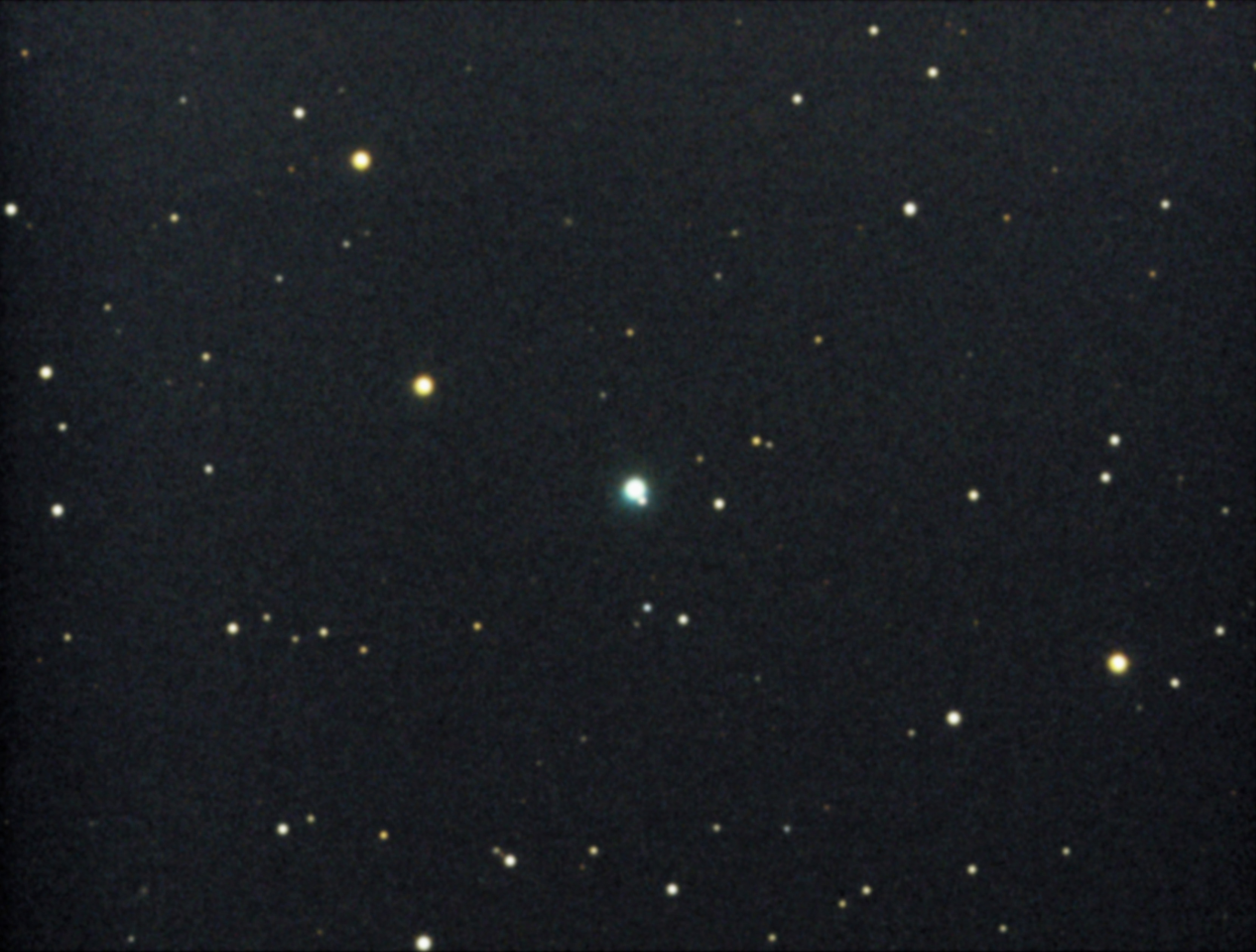
Neptune
Neptune is the eighth and farthest known planet from the Sun in the
Solar System. In the Solar System, it is the fourth-largest planet
by diameter, the third-most-massive planet, and the densest giant planet.
Two billion miles from Earth and 15,300 miles diameter. One Neptune orbit
around the Sun takes 165 of our years. Neptune sports at least thirteen
moons. After painstakingly comparing this image with my planetarium program
(The SkyX) I can definitely say the big blue dot near the center is Neptune
|
placeholder |
placeholder |
- Location: Borrego Springs, CA
- Date: October 27, 2016
- Mount: AP900 GTO
- Telescope: Celestron 9.25" f/10 Cassegrain
- Camera: SBIG STF-8300m @-12c
- Exposure: 04x05 min (20min)
|
- Location: Borrego Springs, CA
- Date: October 19, 2017
- Mount: AP900 GTO
- Telescope: Celestron 9.25" f/10 Cassegrain
- Camera: SBIG STF-8300m @-08c
- Exposure: 04x1 min (4min)
|
|
|